
Okay, raise your hand if you saw that TikTok this week. You know the one—the Golden Retriever named Biscuit who somehow figured out how to use his family’s kitchen scale to portion out his own treats? I mean, this dog was literally dropping kibble onto the scale one piece at a time, watching the numbers, and then walking away when he hit his target weight.
At first, we all laughed. Because come on, it’s hilarious watching a dog be more disciplined about portions than most of us are. But then something funny happened in our Dogs Lovers community. People started asking questions. Real questions about their own dogs’ eating habits. And suddenly, that cute video became the spark for some pretty serious conversations about how we feed our furry family members.
Turns out, Biscuit might be onto something we humans have been getting wrong for years.
The Day My Dog’s Vet Made Me Question Everything
So picture this:It’s Luna’s annual checkup, and I’m feeling pretty smug about my dog-parenting skills. She gets the good food, daily walks, and all the love in the world. I’m basically expecting a gold star from Dr. Martinez.
Instead, she looks at Luna’s chart and goes, “Hmm. She’s put on eight pounds this year.”
Eight pounds.
I swear my stomach dropped faster than Luna drops her tennis ball when she sees a squirrel. Eight pounds on my 65-pound chocolate Lab? That’s like me gaining 20 pounds without noticing. How does that even happen?
“But I follow the feeding instructions,” I said, probably sounding as defensive as I felt. “Premium food, measured portions, the works.”
Dr. Martinez gave me one of those gentle-but-knowing looks that vets have perfected. “When you say measured, do you actually measure? Or do you kind of… estimate?”
Estimate. God, that word hit different.
Because yeah, I was estimating. Those “portions” I was so proud of? They were eyeballed scoops that had gradually gotten more generous over the months. Apparently, my idea of a “cup” of dog food had been slowly inflating like a balloon at a birthday party.
Here’s What Nobody Tells You About Dog Food Portions
Want to hear something that’ll blow your mind? The difference between what we think is a cup of dog food and what actually IS a cup can be huge. Like, 40-extra-calories-per-meal huge. That might not sound like much, but do the math over a year, and you’re looking at 10+ pounds of weight gain for the average dog.
We’re not talking about people who dump half the bag into their dog’s bowl. We’re talking about loving, careful dog parents who think they’re doing everything right. The extra handful because your pup gave you The Look. The “rounded” measuring cup instead of a level one. Those training treats that somehow don’t count in our mental math.
Here’s the kicker: according to the latest numbers from pet obesity experts, nearly 60% of dogs in America are carrying extra weight. That’s 6 out of every 10 dogs walking around with pounds that are quietly stealing years from their lives and spring from their steps.
But here’s what I learned after Luna’s wake-up call, and why I’m honestly excited to share this with all of you: the fix is way simpler than you’d think, and it starts in your kitchen.
The Tool That Changed Everything (And It Wasn’t What I Expected)
After that vet visit, Dr. Martinez suggested something I never would’ve thought of: a digital kitchen scale. Not for making fancy dog birthday cakes (though we’ve definitely done that), but for measuring Luna’s daily food.
“Look at it this way,” she said. “If Luna needs exactly 340 grams of food per day, would you rather guess what that looks like or actually know?”
The math was brutal. My “generous” scoops were giving Luna about 25% more food than she needed. Every. Single. Day. No wonder those puppy eyes had been so effective at getting extra helpings.
I bought a basic kitchen scale that weekend. Nothing fancy, just something that could weigh grams accurately. The first time I measured what I normally gave Luna, I actually laughed out loud. My “two cups” was closer to three.
Within two weeks of switching to precise measurements, Luna was like a different dog. More energy on our morning walks. Less food coma after dinner. She even seemed more playful during our backyard sessions. It was like watching her remember how good it felt to be comfortable in her own skin.
Why This Matters More Than Just Numbers on a Scale
Listen, using a kitchen scale for dog food isn’t about becoming some obsessive pet parent who measures everything to the gram (though if that’s your style, more power to you). It’s about giving our dogs what they actually need to feel their best.
Think about it—when you eat the right amount of food, you feel energetic and satisfied. When you eat too much, you feel sluggish and uncomfortable. Dogs are exactly the same, except they can’t tell us when they’re feeling off.
Every extra pound puts more stress on their joints. Their hearts work harder. They get tired faster. For big dogs especially, maintaining a healthy weight can mean the difference between happy golden years and painful arthritis.
Plus, and this surprised me, dogs who eat consistent portions actually seem more relaxed around food. Luna used to hover around the kitchen whenever anyone was cooking, always hoping for extras. Now she’s content because she knows exactly when her next meal is coming and how much she’ll get.
Studies show that dogs maintained at healthy weights live almost two years longer on average. Two years! That’s 700+ more days of morning snuggles and evening walks. Worth weighing some kibble for, don’t you think?
The Simple Reality of Making This Work
Making the switch to weighing Luna’s food was easier than teaching her not to steal socks from the laundry basket (which, let’s be honest, is still a work in progress).
I just put her bowl on the scale, hit the zero button, and added food until I reached her target weight. Takes maybe 30 seconds longer than scooping and removes all the guesswork.
The tricky part was figuring out Luna’s actual needs. Turns out the feeding guidelines on dog food bags are pretty broad ranges, and a 45-pound dog might need different amounts than a 55-pound dog even though they’re both considered “medium” size. Your vet can help nail down the right number, or there are some decent calculators online.
The other thing that surprised me? I had to account for treats. All those training rewards, dental chews, and “just because” snacks add up fast. On days when we do extra training, I reduce her meal portions slightly to keep her total calories consistent.
What’s Happening in the Dog Food World Right Now
Since we’re talking about being more mindful about what goes in our dogs’ bowls, let’s chat about some recent stuff that’s caught my attention.
There was another product recall last month—three different treat brands had contamination issues. Nothing major, but it reminded me how important it is to know exactly what and how much we’re feeding our pups, especially when quality control problems pop up.
Also, have you noticed all these fresh food delivery services for dogs? A lot of them send pre-portioned meals, which has actually helped some pet parents understand what appropriate serving sizes look like in real life. It’s like training wheels for portion control.
And speaking of training, there’s been some interesting research lately. A study in the Journal of Veterinary Internal Medicine found that dogs fed consistent, measured portions showed better metabolic health markers compared to dogs who got “free choice” or estimated amounts. Basically, science is backing up what many vets have been saying forever.
Oh, and that TikTok video I mentioned? It’s part of a whole trend of people sharing their “precision feeding” setups on social media. It’s actually pretty cool seeing pet parents get excited about something as simple as measuring food accurately.
Real Stories from People Just Like Us
The response since I started talking about this stuff has been incredible. People are sharing stories that probably sound familiar:
Sarah from Portland told me her Beagle mix lost 12 pounds in six months just from switching to a scale. Her vet said it was the single most impactful thing she could’ve done for his long-term health.
Mike in Tampa thought he was showing love by giving his German Shepherd extra food. Turns out the most loving thing was learning what a proper portion actually looked like. His dog Rex is more active now than he’s been in years.
Jessica from Denver discovered her “small” dog was getting portions sized for a medium dog. Once she corrected that, her pup’s energy levels evened out, and she stopped begging constantly.
The stories keep rolling in, and they all have this common thread: people who thought they were doing fine realized they could do better, made a simple change, and saw real improvements in their dogs’ quality of life.
The Stuff Nobody Warns You About (But Should)
As more people in our community have started precision feeding, we’ve noticed some unexpected benefits that go way beyond weight management.
Training sessions got better. Dogs who aren’t swinging between too full and too hungry tend to focus better and respond more consistently to treats as motivation.
Some dogs actually became less anxious around food. When portions are consistent, they stop worrying about when or how much their next meal will be.
Multi-dog households got easier. When you can give each dog exactly what they need based on size and activity level, there’s less competition and stress around mealtime.
Budget-wise, a lot of families discovered their dog food was lasting longer than expected. Turns out accurate portions often mean you’ve been unknowingly buying more food than necessary.
And here’s one I didn’t expect: vacation and pet-sitting got less stressful. When you can tell someone exactly how many grams your dog needs per meal, you know their routine will stay consistent even when you’re not there.
Making the Switch Without Losing Your Mind
Ready to try this? Here’s how to ease into it without turning mealtime into a science experiment:
First week: Just weigh what you currently give your dog. Don’t change anything; just see what your “normal” portions actually weigh. This baseline might surprise you (it definitely surprised me).
Second week: Figure out what your dog actually needs. Talk to your vet or use a reliable feeding calculator. Start adjusting gradually—sudden portion changes can upset sensitive stomachs.
Third week: By now, weighing food should feel routine. Your dog will adapt to the new portions, and you’ll probably start seeing benefits.
After that, it’s just monitoring and adjusting as needed. Your dog’s requirements will change with age, activity level, and health, so regular vet checkups help you stay on track.
Picking the Right Scale (It’s Not Complicated)
You don’t need anything fancy. I got mine for about $25, and it’s been perfect for two years. Here’s what actually matters:
Get one that measures in grams, not just ounces. The precision matters, especially for smaller dogs.
Make sure it can handle the weight of your biggest bowl plus food. Most kitchen scales handle 5-11 pounds easily.
Look for something easy to clean, because spills happen (especially if your dog gets as excited about dinner as Luna does).
A clear display helps, particularly for early morning or late evening feedings when the light isn’t great.
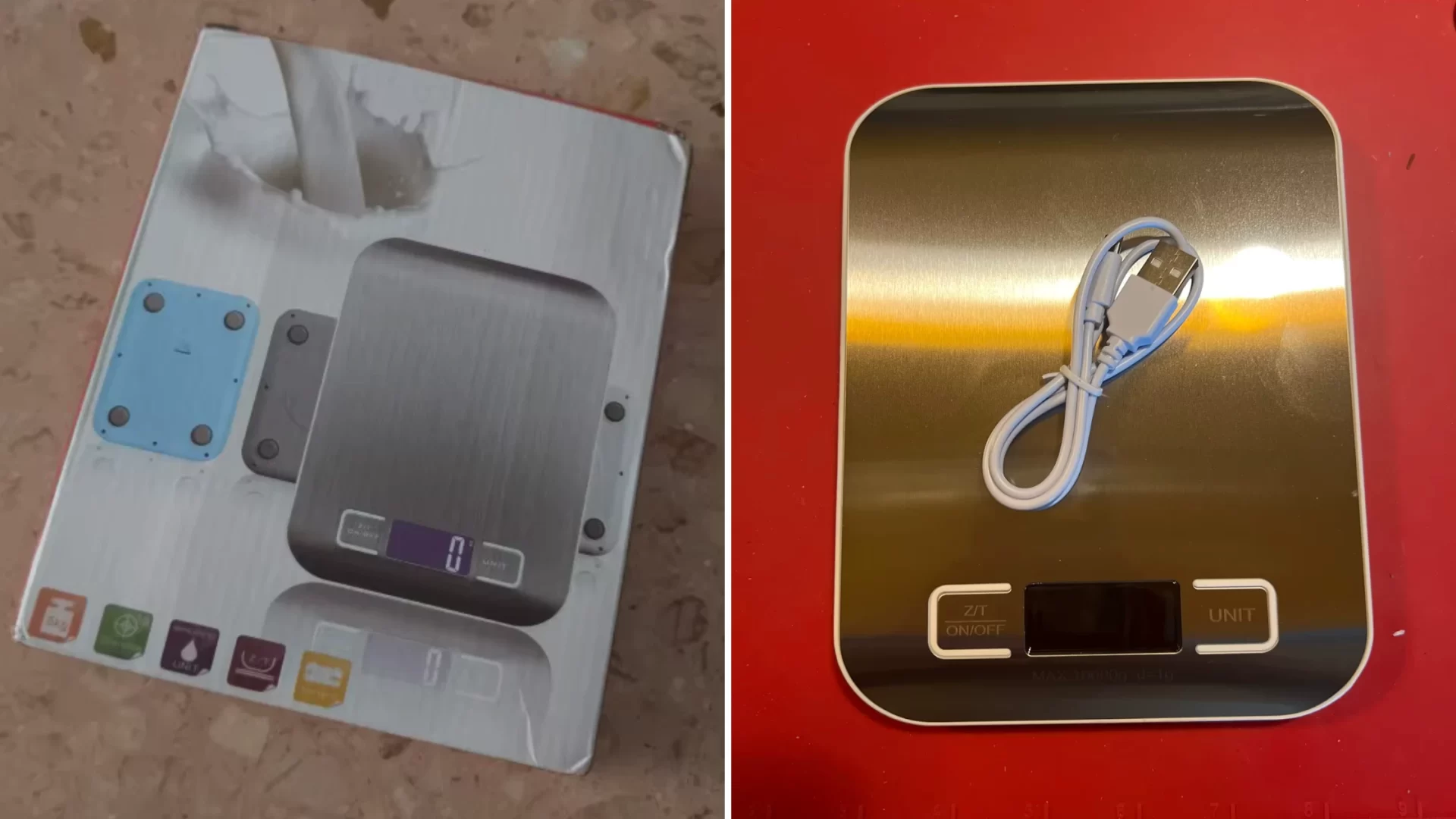
And definitely get one with a tare function—that lets you zero out the bowl weight so you’re only measuring food.
Addressing the Worries (Because We All Have Them)
Every time we talk about portion control, certain concerns come up. Let me address the big ones:
“My dog will think I love them less with smaller portions.” Dogs don’t connect love with food quantity the way we sometimes do. They’ll adapt to appropriate portions quickly, and the increased energy and better health actually strengthen your relationship.
“This seems way too complicated for everyday life.” Once it’s routine, weighing takes no longer than scooping. Most people say it actually simplifies things because there’s no guesswork.
“What about treats and training?” Just factor them into the daily total. High-treat training day means slightly smaller meal portions. The scale makes these adjustments easy.
“We’ve always free-fed; this feels like a huge change.” Transitioning from free-feeding takes patience, but most dogs adapt within a week or two. The health benefits make the temporary adjustment worth it.
How This Changes Everything (In the Best Way)
What started as a simple suggestion from Luna’s vet has completely changed how our family thinks about pet care. We’re more intentional about treats, more aware of her activity levels, and more proactive about her health overall.
The precision approach has spread to other areas too. We track her weight monthly now, monitor her body condition, and have much more detailed conversations with our vet about her health trends. It’s preventive care at its best.
But honestly? The biggest change has been in Luna herself. She’s more satisfied after meals, less prone to begging, and definitely more energetic. Her coat looks better, her eyes are brighter, and those afternoon crashes have disappeared entirely.
Your Turn to Join In
So here’s what I want to know: Have you ever actually weighed your dog’s food? Were you surprised by how much you were giving them compared to what they needed?
If this post has you thinking about trying precision feeding, start small. Even just weighing your current portions for a week can be eye-opening. You might find that your “cup” varies by 20-30% depending on how rushed or tired you are.
Challenge time: Try weighing your pup’s food for the next month. Take a photo of your dog today and commit to portions based on their actual needs. Then come back and tell us how it went—we love featuring success stories.
This isn’t about restriction or making mealtime stressful. It’s about giving our dogs exactly what they need to thrive. Sometimes love looks like a longer walk instead of a larger portion. Sometimes it looks like training games instead of extra treats. And sometimes, it looks like a simple kitchen scale sitting next to the food bowl.
What’s your portion control story going to be? Drop us a comment about your feeding routine, share photos of your setup on social, or email us your questions and wins. Every story matters, and every small change adds up to better health for our furry family.
Make sure to subscribe for more practical tips, heartwarming stories, and all the latest from the dog world. Because the best way to love our pups is to keep learning how to care for them better.
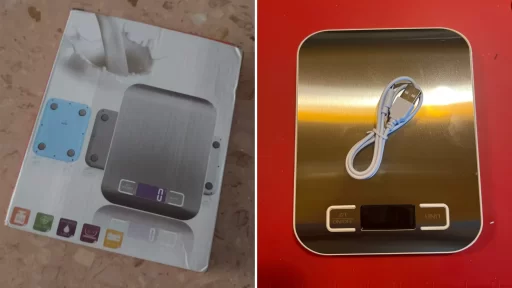
Luna’s currently sprawled across my feet as I type this, looking healthier and happier than she has in months. And yes, her dinner tonight will be measured to the gram on that trusty stainless steel electronic kitchen scale for baking that started this whole journey. Some habits are worth keeping—especially when they help our furry family live their best lives.